Grand Legend
- 4.1
- Rating
- 10.00K
- Installs
- Free
- Price

 Analysis by App-foxy
Grand Legend is the kind of role-playing game I would approach with curiosity rather than a firm promise that it will replace a larger, more established adventure. Developed by Allmightech, it presents itself as a free fantasy journey built around player choice, and that basic idea gives the game an inviting starting point. I found the appeal strongest when I treated it as a compact mobile RPG to sample in short sessions, not as an enormous console-style quest.
It is available to players of all ages and runs on Android devices using version 6.0 or later. The game is free to download, although optional purchases range from $0.99 to $99.99 per item. That combination makes the first step easy, but it also means I would decide early whether I am comfortable with a free-to-play structure before becoming deeply invested.
The public response is reasonably positive, with a 4.1 average from around 316 ratings and more than 10K installs. Those figures suggest a small but interested audience rather than a massive community. I see that as useful context: Grand Legend feels better suited to someone willing to explore a less crowded title than to someone looking for the social scale, constant updates, or polished presentation of a major mobile RPG.
You May Also Like

 AccuWeather: Weather Radar
AccuWeather Review: A Quick, Clear Forecast for Everyday Decisions
For everyday plans, the best forecast is the one you can understand quickly. AccuWeather makes rain timing, radar, and local conditions easy to act on, with a few trade-offs.

 Hill Climb Racing
Why Hill Climb Racing Still Turns Crashes Into One More Run
A tiny car, a bumpy hill and one more upgrade: Hill Climb Racing keeps resurfacing because its simple chaos makes every near-miss feel personal.

 AliExpress - Shopping App
AliExpress Makes Global Shopping Feel Personal, but Shoppers Bear the Risk
AliExpress turns a global marketplace into a pocket-sized discovery engine. Its reach is useful, its shopping loop compelling, and its trade-offs easy to miss.

 Lords Mobile: Kingdom Wars
Lords Mobile Is a Kingdom-Building Routine, Not a Quick Match
A case-by-case verdict on the building, battles, device demands, and social commitments that make Lords Mobile rewarding for some players and exhausting for others.

 PDF Scanner app - TapScanner
TapScanner Makes Paperwork Easier to Capture, Check, and Share
TapScanner makes scanning with a phone feel less like a rescue operation and more like a dependable step in getting work done. Its capture tools are useful, though not flawless.

 Block Blast!
 Shows How Much a Puzzle Game Can Leave Out
A quiet grid game shows why puzzle players increasingly value instant clarity, repeatable skill and low-pressure play—and where the genre still needs to catch up.
More From Our News Desk
View All News


A small fantasy adventure with a clear visual identity
I find Grand Legend most appealing when I treat it as a small fantasy escape, not a sprawling RPG that has to compete with the biggest games on mobile. In this section, I’ll look at how its visual identity and gentle sense of discovery set expectations, then consider what that approach means for the way I’d choose to play.
The first minutes set the right expectation
My first impression of Grand Legend was shaped less by the promise of a huge campaign and more by its attempt to establish a recognizable adventure mood quickly. The setting aims for fantasy rather than realism, and the presentation supports that direction with a storybook-like sense of discovery. I enjoyed the feeling that the game wanted me to make choices inside a world, not simply move from one combat screen to the next.
That distinction matters on a phone. A mobile RPG has to communicate its purpose quickly, because many players open it while waiting for a bus, taking a break, or relaxing before bed. Grand Legend works best in those moments when I want a light escape with a fantasy frame around it. It does not demand the same commitment as a long, cinematic role-playing game, and that makes it approachable.
At the same time, the opening experience is not so elaborate that it completely hides the game’s modest scale. Players expecting a vast map, a heavily voiced story, or a deep social world may find the presentation restrained. I would not install it expecting the production weight of the biggest names in the category. Its attraction is the atmosphere of a smaller adventure, where the central question is what kind of journey the player will make.
Art direction that supports the setting
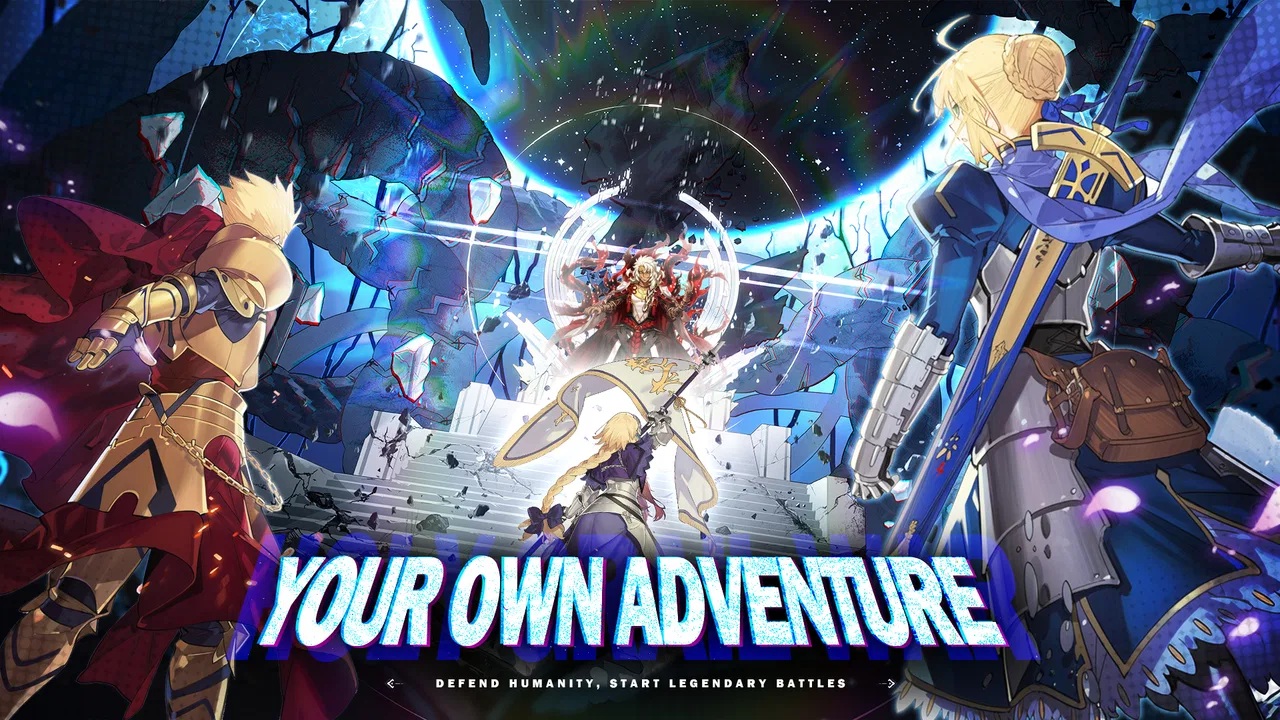
The visual language is most effective when it keeps the fantasy setting consistent. A role-playing game does not need photorealistic graphics to feel convincing; it needs a world that appears to follow its own rules. Grand Legend benefits from presenting its adventure as a unified place rather than mixing unrelated styles simply to create visual noise.
I paid attention to how the art functions during play, not just how it looks in a promotional image. The setting has to make exploration feel worthwhile, while characters and environments need enough distinction to help the player understand where they are and what matters. Grand Legend’s visual approach is useful because it gives the journey a gentle identity. It feels more like entering a fantasy tale than managing a spreadsheet of equipment.
That choice also reveals a trade-off. Players who prefer sharp, high-detail character models or dramatic visual effects may find the art less impressive than the presentation of newer premium RPGs. I personally think the restrained direction helps the game remain coherent, but it will not satisfy everyone. The right question is not whether it looks expensive; it is whether the chosen style makes the adventure easier to settle into. For me, it generally does.
Why the world feels more inviting than intimidating
One of the more useful qualities here is the approachable tone. Grand Legend does not give me the impression that I need to study a complicated universe before I can enjoy it. That makes it a sensible option for someone new to mobile role-playing games or for a player who wants fantasy without a dense wall of terminology.
I would recommend beginning with a patient mindset. Instead of rushing through every interaction, I found more value in noticing how the setting frames decisions and how the game moves from one part of the adventure to another. That slower approach helps the world feel more connected. If I played only for rapid rewards, the atmosphere would become secondary and the game would seem much more ordinary.
Sound and pacing create the playable mood
Sound is easy to overlook in a mobile RPG, especially when many people play with the volume lowered. In Grand Legend, the audio works best as a support layer for the fantasy setting. It helps separate the game from a silent sequence of menus and gives the journey a little more emotional shape.
I would not describe the sound as the sole reason to play, but it contributes to the sense that the game wants to be experienced as an adventure rather than merely operated. Listening with headphones or a quiet speaker makes the mood easier to appreciate. Playing silently is still practical, particularly in public, but it removes part of the setting’s personality.
The pacing is similarly important. Grand Legend is more comfortable when I let it establish its rhythm instead of demanding constant action. Short sessions work well because I can make progress, pause, and return without treating the game like a full evening commitment. That makes it a good companion for everyday downtime.
A realistic example is a commute with several short interruptions. I could open the game, follow a piece of the adventure, make a choice, and stop when I reached my destination. That kind of use favors Grand Legend over a role-playing game that requires long uninterrupted battles or complicated real-time coordination. On the other hand, players who want immediate action every time they touch the screen may find the measured rhythm too quiet.
How the mechanics fit the mood
The central mechanical promise is choice. That idea gives the game a useful role-playing foundation because it asks me to think about the journey as something shaped by decisions, not only by character strength. Even when the surrounding systems are lighter than those in a major RPG, choice can make a short session feel personal.
My advice is to avoid treating every decision as a puzzle with one perfect answer. The value comes from seeing how the adventure responds to the kind of path I choose. If I reload or overthink every moment in search of an ideal result, the story loses some of its natural flow. Grand Legend is more enjoyable when I accept that a decision can simply become part of my version of the journey.
This is also where the game differs from many conventional mobile alternatives. A typical action RPG may focus on reflexes, repeated battles, character upgrades, and collecting stronger equipment. A large online RPG may focus on guilds, events, rankings, and a constantly expanding content loop. Grand Legend appears more appealing to players who want the feeling of directing an adventure rather than competing inside a busy service game.
That does not make it automatically deeper. Choice-driven design can feel limited if decisions do not create meaningful differences, while combat-focused games offer a clearer sense of mastery through timing and build planning. I would choose Grand Legend when I want atmosphere and narrative direction. I would choose a more system-heavy alternative when I want tactical battles, extensive character customization, or a long-term competitive routine.
Free access and the question of spending
The free entry point is a genuine advantage. I can try the game without paying first, which is especially helpful for a smaller RPG whose tone may appeal to one player and miss another. The age rating of Everyone also makes it easier to consider for a broad audience, although adults should still make their own judgement about whether the game’s style matches the preferences of younger players.
Optional purchases are available, from $0.99 to $99.99 per item. I would treat that range as a reason to set a personal spending boundary before playing, rather than waiting until I am emotionally invested in progress. Free-to-play games can be enjoyable without spending, but the experience often feels better when I know in advance whether I am playing purely for the story or am willing to pay for convenience.
A practical approach is to play through the early experience without buying anything. That gives me time to decide whether the art, sound, pacing, and choices genuinely hold my attention. If the game already feels satisfying, spending is optional rather than a rescue attempt. If it feels slow or repetitive, a purchase is unlikely to fix the underlying mismatch.
Who will enjoy it most
Grand Legend is a good fit for players who like fantasy settings, gentle adventure pacing, and the idea of shaping a journey through choices. It also suits people who want something less intimidating than a sprawling online RPG. The modest install base can be a positive for anyone who prefers discovering a quieter title without the pressure of a huge community or competitive scene.
I can also see it working for a returning player who has become tired of daily missions and endless upgrade cycles. The game’s value is not necessarily in delivering the largest possible number of systems. It is in offering a focused fantasy experience that can be picked up during small gaps in the day.
It is less suitable for someone seeking a technically spectacular showcase, a large multiplayer population, or combat that demands constant precision. I would also suggest skipping it if the main reason you play RPGs is deep statistical optimization. Grand Legend’s appeal is tied to its mood and adventure framing, so players who dislike slower storytelling or decision-led progress may become impatient.
Useful habits for getting more from the adventure
First, I would play with the sound enabled at least during the opening sessions. The audio is part of the game’s identity, and muting it immediately makes the experience feel flatter. Even if I later switch to silent play, hearing the intended rhythm first helps me understand the mood the developers are aiming for.
Second, I would resist rushing through choices simply because the game is on a phone. Mobile convenience can encourage tapping quickly, but the decisions are more interesting when I read the situation and choose according to the kind of character or journey I want to create. This is a small change in behavior, yet it makes the role-playing element feel more personal.
Third, I would use short sessions deliberately. Grand Legend is easier to appreciate when I stop before the atmosphere becomes routine. A brief play period during a break can leave the adventure feeling inviting, while forcing a long session may expose the limitations of a smaller mobile RPG. The best workflow is to let the game fill spare moments instead of demanding that it become the only game I play.
Fourth, I would compare the experience with my actual reason for wanting an RPG. If I want a story-shaped fantasy escape, Grand Legend is worth trying. If I want a deep build planner, a competitive ladder, or a huge social world, I would look elsewhere. Making that distinction before downloading saves time and prevents unfair expectations.
Where the current package stands
The game was released on February 5, 2020, and the current version is 1.0.8.3. Those details place it in a different context from a brand-new release competing on cutting-edge presentation. I judge it more by whether its core mood still works than by whether it matches the visual complexity of the newest mobile productions.
Its 4.1 average indicates that many players find something worthwhile in the package, while the total of around 316 ratings shows that the audience remains relatively small. I would interpret that combination cautiously but positively: there is enough response to suggest genuine interest, yet not enough scale to imply that Grand Legend is a universal recommendation.
The developer, Allmightech, has given the game a clear identity through its fantasy direction. What matters most to me is that the different parts support one another. The art establishes the setting, the sound reinforces the tone, the pacing gives the player room to settle in, and the choice-based role-playing concept provides a reason to pay attention.
My atmosphere verdict
Grand Legend succeeds when I approach it as a compact, mood-led role-playing adventure. Its strongest quality is coherence: the fantasy setting, visual direction, audio support, and unhurried rhythm point toward the same kind of experience. I do not feel that the game is trying to be every type of RPG at once, and that focus helps it stand out from more crowded mobile alternatives.
Its limitations are just as important. The game is not the obvious choice for players who demand blockbuster visuals, constant action, extensive multiplayer features, or complex optimization. The optional purchase range also means I would play thoughtfully and keep spending under control. Free access makes trying it easy, but it does not remove the need to decide whether the long-term experience suits me.
My recommendation is straightforward: install it if you want a fantasy game that can turn a short break into a small adventure, and give its atmosphere enough time to develop. Start without spending, keep the sound on for the first sessions, and make choices at your own pace. If you are looking for a huge, competitive, mechanics-first RPG, another game will probably serve you better. For a quieter journey shaped by setting and personal decisions, however, Grand Legend is a worthwhile game to try.
FAQs for Grand Legend
01What is Grand Legend about?
Grand Legend is an immersive role-playing game (RPG) designed for both Android and iOS platforms. Players embark on epic adventures, exploring vast worlds filled with dynamic characters, challenging quests, and strategic battles. The game offers a rich storyline with stunning graphics, making it a captivating experience for RPG enthusiasts.
02Can Grand Legend be played offline?
Grand Legend primarily requires an internet connection to access its full features, including multiplayer modes and regular updates. However, there are certain portions of the game that can be enjoyed offline, such as solo quests and certain character developments. It's recommended to have a stable internet connection for the best experience.
03Are there in-app purchases in Grand Legend?
Yes, Grand Legend includes in-app purchases that allow players to buy virtual currency, special items, and exclusive content. While these purchases can enhance gameplay and offer additional customization options, they are entirely optional. The game can still be thoroughly enjoyed without spending real money.
04How does Grand Legend ensure player safety and privacy?
Grand Legend prioritizes player safety and privacy by implementing robust security measures. The game adheres to strict data protection policies, ensuring that personal information is kept confidential. Players are encouraged to review the privacy policy and terms of service to understand how their data is handled and to make informed decisions.
05What devices are compatible with Grand Legend?
Grand Legend is compatible with most modern Android and iOS devices. It requires a minimum operating system of Android 5.0 or iOS 11.0, along with sufficient storage space and processing power to ensure smooth gameplay. Players should check the app store for specific device compatibility and system requirements before downloading.
Pros
- Intuitive interface for easy navigation.
- Rich graphics enhance the gaming experience.
- Engaging storyline keeps players hooked.
- Regular updates with new content added.
- Multiplayer mode for competitive play.
Cons
- Requires a stable internet connection.
- In-app purchases can be costly.
- High battery consumption during play.
- Limited offline capabilities.
- Some features need premium subscription.

Grand Legend
Gallery